How Do I Sell My Home Against New Construction in Celina, TX? | Shanna Gerhart
You compete on total cost and on what's already done. Builders discount through incentives rather than list price, so buyers are comparing monthly payments, not sticker prices. Your advantages are the fence, the sod, the blinds, the appliances, and the trees that a base-model new build doesn't include, plus a move-in date that isn't nine months out. Price and market against the builder's effective price, not the number on their sign.
Why new construction is such tough competition in Celina right now
Celina has more active new construction than almost anywhere in North Texas. Legacy Hills, Lilyana, and the communities still going up around them mean a buyer touring your home this weekend probably toured a model home last weekend.
What makes builders hard to compete with isn't the price. It's the incentive structure. A builder will rarely cut the list price, because that damages every other home in the community. Instead they offer rate buydowns, closing cost credits, and design center money. A buyer sees a lower monthly payment and assumes the new home is the better deal.
Your job is to make the real comparison visible.
What does your home have that a base new build doesn't?
This is the part most sellers underestimate, and it's where the argument gets won.
The model home a buyer walked through is not the base price. Model homes are loaded with upgrades. The house at the advertised number usually arrives without a lot of what your buyer assumes is included.
Depending on the builder and community, a new build buyer often still has to pay for:
Fencing
Backyard sod, irrigation, and landscaping
Window blinds and coverings
Refrigerator, and sometimes washer and dryer connections finished out
Gutters
Extended patio or covered outdoor space
Upgraded flooring beyond builder-grade
Garage epoxy, shelving, or door openers
Mailbox and address plaque in some communities
Add those up and you're often looking at tens of thousands of dollars of work the buyer does after closing, on top of the purchase price, and usually not financeable.
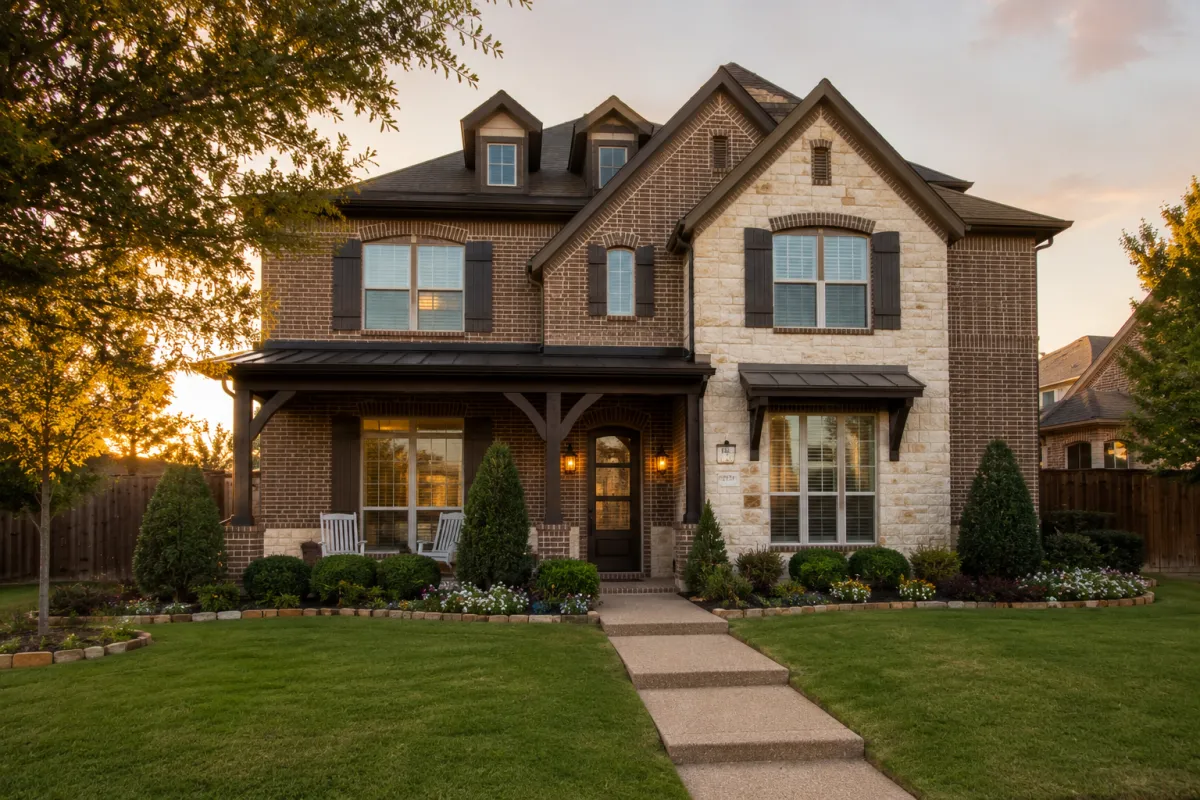
Then there's what money can't buy quickly: mature trees, a yard that's had three years to fill in, a lot you can actually see the shape of, and neighbors already living there.
Make the list specific to your home. Not "upgrades throughout." An actual itemized list with what each thing would cost a new build buyer to add. That list belongs in your marketing, on a flyer at showings, and in the notes your agent sends to every buyer's agent.
How should I price against new construction?
Price against the builder's effective price, not their list price.
If a comparable new build is listed at a number but comes with a rate buydown and closing cost credit, the real cost to that buyer is meaningfully lower than the sign says. Pricing your home against the sticker means you're priced above the market without realizing it.
Working out the effective price takes knowing what builders in your specific area are offering this month, which changes constantly and isn't published anywhere useful. It's the single most important input to pricing a Celina resale right now, and it's why an agent who works this market weekly will price your home differently than one who doesn't.
Should I offer incentives the way a builder does?
Often yes, and it's underused by resale sellers.
If builders are winning on monthly payment, you can compete on the same terms. A seller-paid rate buydown or a closing cost credit can move a buyer's payment more than an equivalent price reduction would, and it costs you less. A price cut lowers your number for everyone. A targeted credit is negotiated once with the buyer who actually shows up.
This is a math conversation, not a rule. Whether it makes sense depends on your price point, your equity, and what the competition is doing that month. But it should be on the table before you reach for a price reduction.
Does my home need to be in better condition than usual?
Yes, and this is the hardest part for sellers to hear.
Your home is being compared against something brand new, with nothing worn and nothing dated. The gap in perceived condition is your biggest vulnerability.
That means the bar for paint, carpet, caulk, grout, and general presentation is higher than it would be in a market without so much new inventory. A buyer will forgive a lot in exchange for a mature lot and a lower payment. They won't forgive a home that feels tired next to one that smells like fresh drywall.
If you're deciding what to spend on, the pre-listing conversation matters more in Celina than almost anywhere.
How do I reach buyers who are touring model homes?
Most of them are not looking at resale listings yet. They started at the model home because that's what the ads pointed them toward.
Which means the marketing has to go find them: targeted digital advertising in the same neighborhoods buyers are shopping, video that shows what a three-year- old home in an established section actually looks and feels like, and a listing that leads with what's already done rather than burying it in the remarks.
A sign in the yard does not reach someone sitting in a builder's sales office.
What if my home genuinely can't compete on payment?
Sometimes that's the honest answer, and the fix isn't a lower price.
It's finding the buyer who wants what a new build can't offer: a specific school zone, a particular lot, a section that's finished and quiet, an established community with the amenities already open. That's a different buyer and a different marketing approach, and going after them beats grinding your price down against builders who can outlast you.
Frequently asked questions
Can a resale home compete with new construction in Celina? Yes, but not by matching the builder's advertised price. Resale competes on total cost after move-in expenses, on the lot and landscaping already in place, and on a closing timeline measured in weeks rather than months.
Why do builders offer incentives instead of lowering prices? Cutting list price would devalue every other home in the community and upset buyers already under contract. Incentives lower the buyer's actual cost without changing the published number.
Should I lower my price if a builder nearby drops incentives on the market? Not automatically. Compare against their effective price after incentives, and consider whether a targeted credit to your buyer accomplishes more than a reduction that applies to everyone.
Do buyers know what a new build doesn't include? Usually not until they're deep in the process. Most are comparing your home against a fully upgraded model home, which is why itemizing what's already finished in yours matters so much.
How long does it take to sell a resale home in a new construction area? It depends on price and condition more than anything else. Homes priced against builder sticker prices rather than effective prices are the ones that sit.
Is it better to wait until new construction slows down? Building in Celina is not slowing soon. Waiting usually means competing against more inventory, not less, and with a home that's a year older.
The bottom line
Competing with new construction is a positioning problem, not a price problem. Your home has real advantages. They just have to be made specific, priced correctly against what builders are actually offering, and put in front of buyers who are currently sitting in a sales office.
If you're thinking about selling in Celina or Prosper and you want to know where your home stands against the new inventory nearby, let's walk through it.